Cooling, heating and the air in between
What we repair, replace and maintain, what each visit involves, and the questions we hear most. Not listed? Ask — we will tell you if we can help.

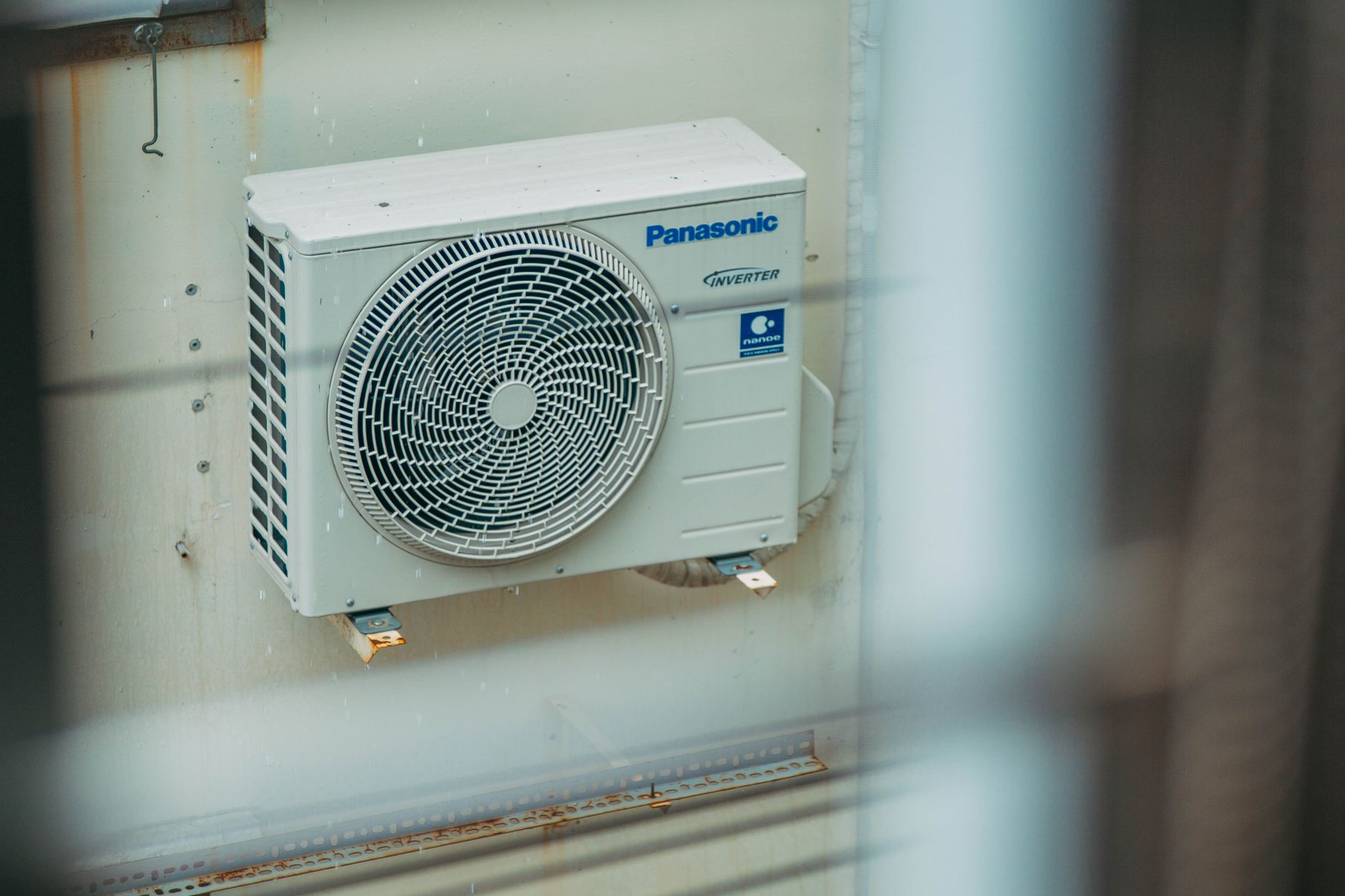
AC repair
When the air conditioner quits in the heat, the fault is usually one of a familiar handful: a failed capacitor, a refrigerant leak, a clogged drain, a contactor that stuck, a blower that stopped. We test the system rather than guess, tell you what failed and why, and give you the repair price before we start. If the fix is not worth it on an old unit, we say so and lay out the alternatives.
Common questions
Most often a low refrigerant charge, a failed outdoor unit, or a frozen indoor coil. Turn the system off so the coil can thaw, check the filter, and call. Running it warm can damage the compressor.
It depends on the age of the unit, the cost of the repair, the refrigerant it uses and how it has been maintained. We give you both numbers and our honest read; the decision is yours.
Tell us it is a no-cooling call when you contact us. We schedule by urgency and give you a window rather than a vague “sometime today”.
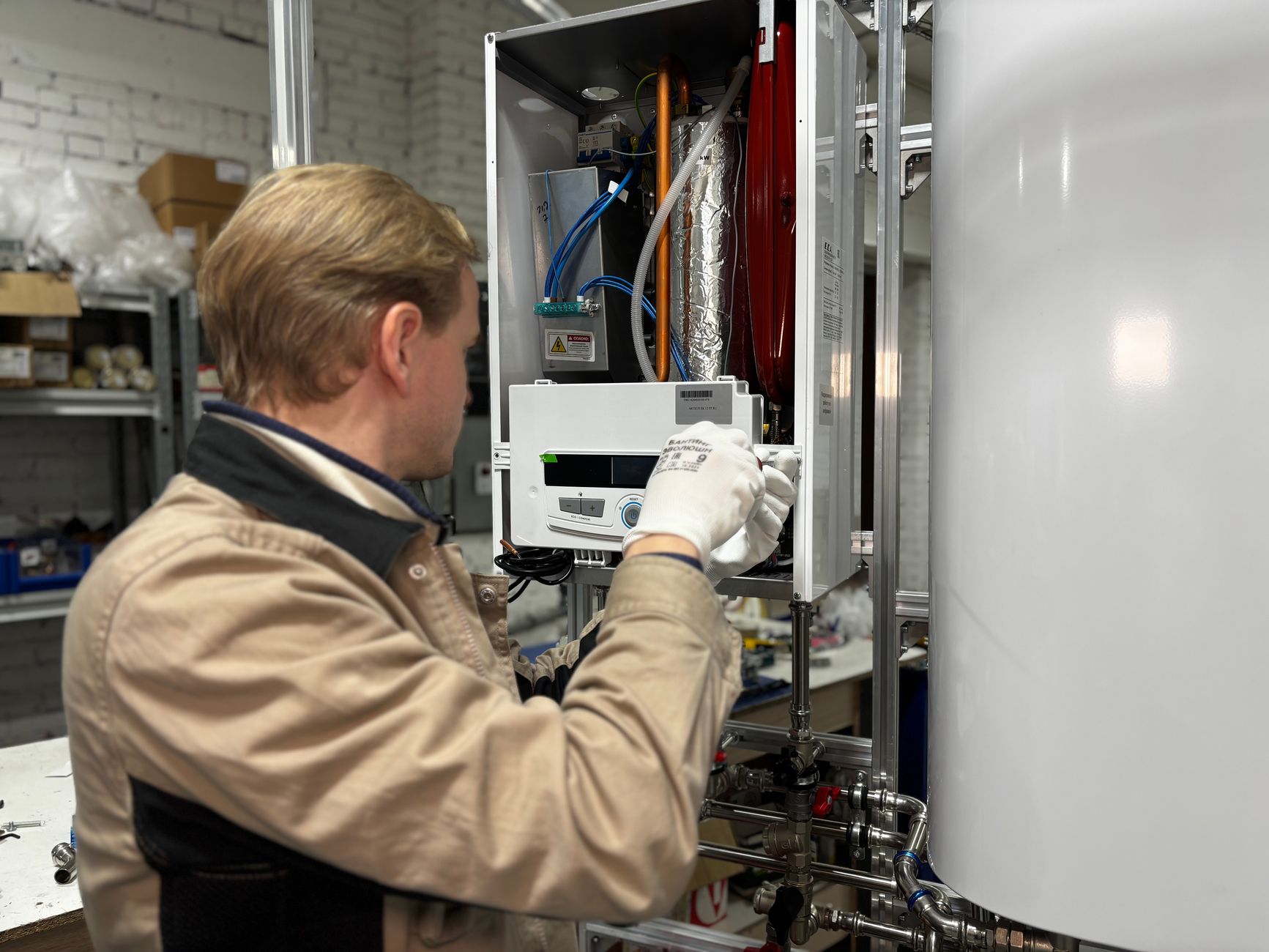
furnace repair
A furnace that clicks but never lights, a heat pump stuck in defrost, a boiler that short-cycles, a smell that is not right — heating faults are safety questions as well as comfort ones. We check ignition, venting and the heat exchanger first, then the controls and the blower, and we tell you plainly if a unit should not be run until it is fixed.
Common questions
No. Short-cycling usually points to a dirty filter, a failing flame sensor, an overheating limit switch or a unit that is oversized for the house. It wastes fuel and wears the parts; have it looked at.
For a gas smell, leave the house and call the gas utility from outside before calling us. A brief dusty smell at the start of the season is common; a persistent burning or electrical smell means shut the system off and call.
Yes — heat pumps, gas furnaces and the air handlers and thermostats that run them. Tell us what you have when you call and we bring the right parts.

new system installation
A new system is only as good as its sizing and its installation. We measure the house rather than copy the old nameplate, match the equipment to the ductwork it will breathe through, and install to the manufacturer’s specification so the warranty holds. You get a written proposal with the options explained in plain language — and if financing would help, ask us what is available.
Common questions
By a load calculation on the house — square footage, insulation, windows, orientation and ductwork — not by the size of the unit being replaced. Oversized systems short-cycle and undersized ones never catch up.
A straightforward like-for-like swap is usually a day; adding ductwork, moving equipment or converting fuel types takes longer. We tell you the plan and the timeline in the proposal.
Ask us when you call or request a quote. We will tell you what options are available for your project.
Hot, cold, or just not right?
Call, or book a visit online and we will confirm your window. Either way you reach someone who knows what to ask.